

This is not a diary entry.
Who gets to call themselves a writer?

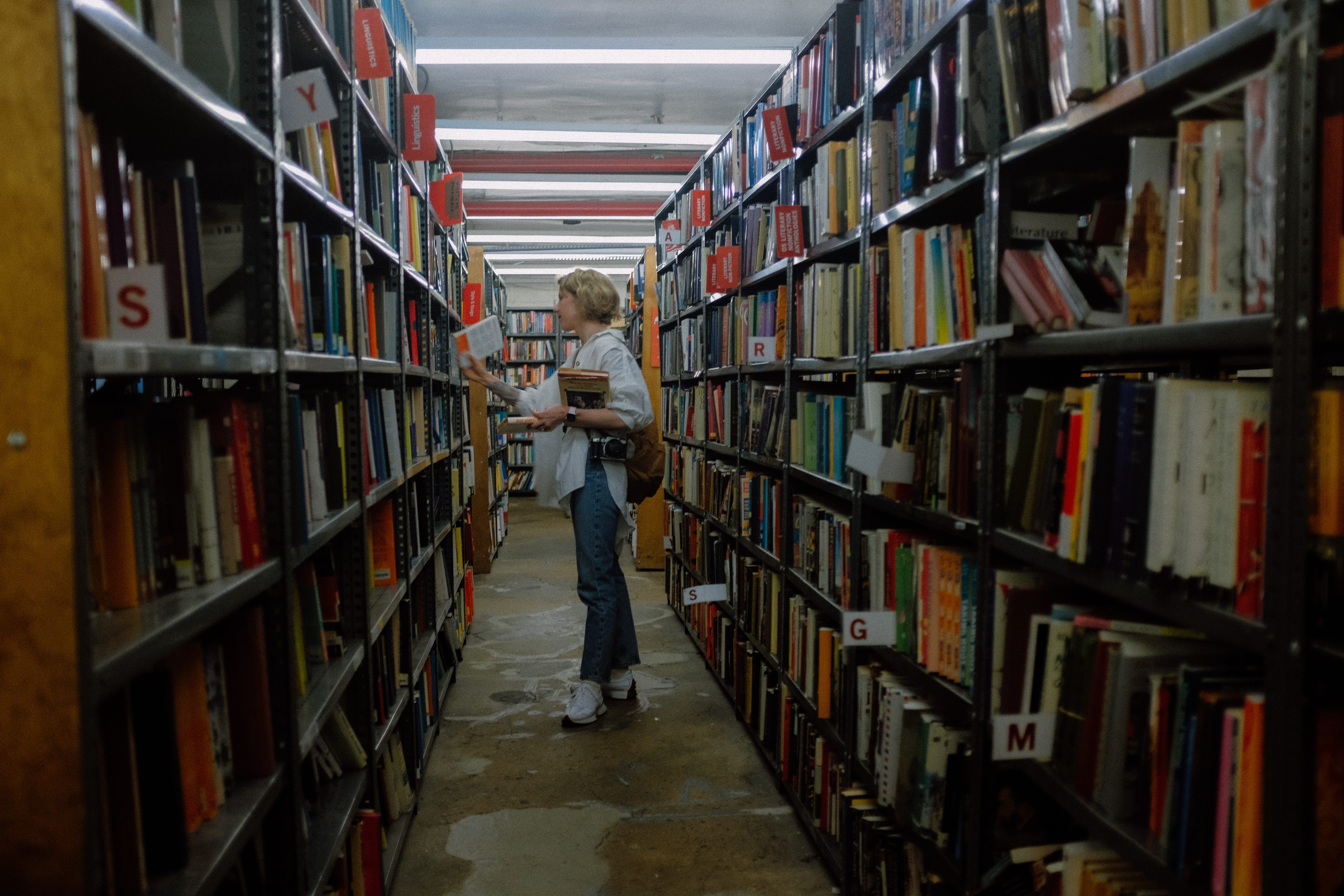
Last week I sat in my study, feet perched on the edge of my overstuffed swivel chair, knees curled up into my chest. The room wasn’t particularly hot, but I was sweating. I was thirty minutes into the first class of a 12-week writing course I’d signed up for the week prior, eyes darting from one square on the Zoom screen to another, a group of writers stuck in our own Brady Bunch grid.
We run through introductions, and I listen to a woman—a former educator, a mom—say she’s been a writer since she was a child. I recoil, jealous. I found myself startled by her confidence, by the ease in which she called herself a writer, identified herself as such from a young age. The words I’m a writer felt glued to the roof of my mouth, difficult to swallow, unable to dislodge.
When my turn comes around, I give my spiel about how I have been drawn to memoir since elementary school, have always sought out personal stories, and—using my career as a shield, a comfort—that’s likely what led me to become a therapist. A classmate interrupts. We could’ve used you in our last course. I laugh, politely, while wringing my hands beneath my desk, frustration growing with how quick I am to tie my identity to my career. I learn, later, there are three of us—therapists—in the class, all at varying states of confusion as to how to define our writing within the context of our work.
What I do not say in my introduction is that I took this course because I hoped it would finally give me permission to call myself a writer. That if I sit for two hours every week, for 12 weeks, and do the readings and do the writing exercises and workshop the essays, then I will be able to say with a bit less hesitation that, yes, I would consider myself a writer. The fantasy that, perhaps, in my final hour of this course I will get a certificate that says, “You are a writer” and I will carry it around in my wallet like a passport to a world in which I desperately crave access.
The wiser, often disgruntled part of me knows that permission is not granted, not by others, not if I’m unwilling to accept it without caveat. (I’ve only taken a few creative writing classes, I’m not published, it’s a hobby, etc., etc.) I know this because I am, in fact, the therapist in the room. One of three, at least.
We get into the definition of personal essay, the reason we’ve all signed up, and if I were to give you a singular takeaway, it’d be that the thing that makes personal essays work is the universality of them. If I just tell you my day by day, if I just recount the events of that first writing class and how it started 10 minutes late because of a faulty Zoom link and I tried to call the writing school no less than three times, in a panic, and how I silently timed each of my peers during introductions and worried that we were encroaching too much on the lesson, then that is a diary entry. But if I tell you that I consistently return to these classes as an attempt to carve out time for myself and as a means to seek permission to call myself a writer and find identity outside of the job I have and that I struggle with wondering if anything I write is even good and whether this use of time is justified, then it is personal essay.
Humans are not that different from one another, really. We all wrestle through similar themes. I am not so special to believe that I am the first, nor will I be the last, to struggle through identity, through insecurity. I will not be the last woman to wonder if she is taking up too much space.
Toward the end of class, the teacher speaks to the impulse we have as writers to be understood. “Not necessarily by others,” she clarifies. “We often seek to better understand ourselves.”
It’s why I turn to words over and over again, those of others and my own. I’m a stickler for language because it’s how I make sense of the world around me. The words we use matter. And because I feel it matters so deeply, it can make writing an agonizing process.
I’m finding that I return to these classes looking for more ease, as if something in them will finally unlock the secret to being a writer. True to what my teacher said, I did not know that when I started writing this piece. Something about the agony in the process makes it seem like I’m not doing this—writing—well enough. That I must be doing something wrong. It would not be the first time I’ve assumed everyone but me has it figured out. And yet, so often in my life, struggle has been synonymous with growth.
Perhaps being understood is painful—relieving and illuminating, sure—but painful, nonetheless. I’ve experienced few things as harsh as reading my own words. Once it’s on the page, I have to know it. I can’t unknow it, despite my best attempts at trying. I think it’s why I choose not to do it alone, why I sign up for these writing classes, why I write on this Substack (and every blog iteration I’ve had prior). It pushes me toward understanding.
The idea that we are drawn to writing because we want to better understand ourselves is beautiful and resonates deeply with me. I know it doesn't change much, but I grasp with the same questions all the time: Who gets to call themselves a writer? Who gets to call themselves a chef? Am I a cook or a chef or a writer or all of those things? Maybe I'm just a me. I adore your words every single time, Kate :)